

Introduction
Chemical peeling is a popular skin treatment. It uses a special solution to remove the top layers of skin. As a result, new and smoother skin appears. Many people choose chemical peeling to improve their skin’s look and feel. For example, it can help with scars, wrinkles, and uneven skin tone. According to the American Academy of Dermatology, chemical peeling is safe when done by a trained professional. However, it is important to know the benefits, risks, and aftercare before starting.
Types of Chemical Peels
There are three main types of chemical peels. Each type works at a different skin depth. Therefore, your doctor will help you choose the best one for your needs.
Benefits of Chemical Peeling
Chemical peeling offers many benefits for the skin. For instance, it can:
Additionally, chemical peeling can make your skin care products work better. This is because the new skin absorbs creams and serums more easily. Many people notice smoother, fresher skin after treatment.
Who is a Good Candidate?
Not everyone is a good candidate for chemical peeling. However, many people with fair to medium skin tones see the best results. You may be a good candidate if you:
On the other hand, people with darker skin may have a higher risk of side effects. Pregnant women and those with certain skin conditions should avoid chemical peeling. Always talk to a dermatologist before deciding.
The Chemical Peeling Procedure
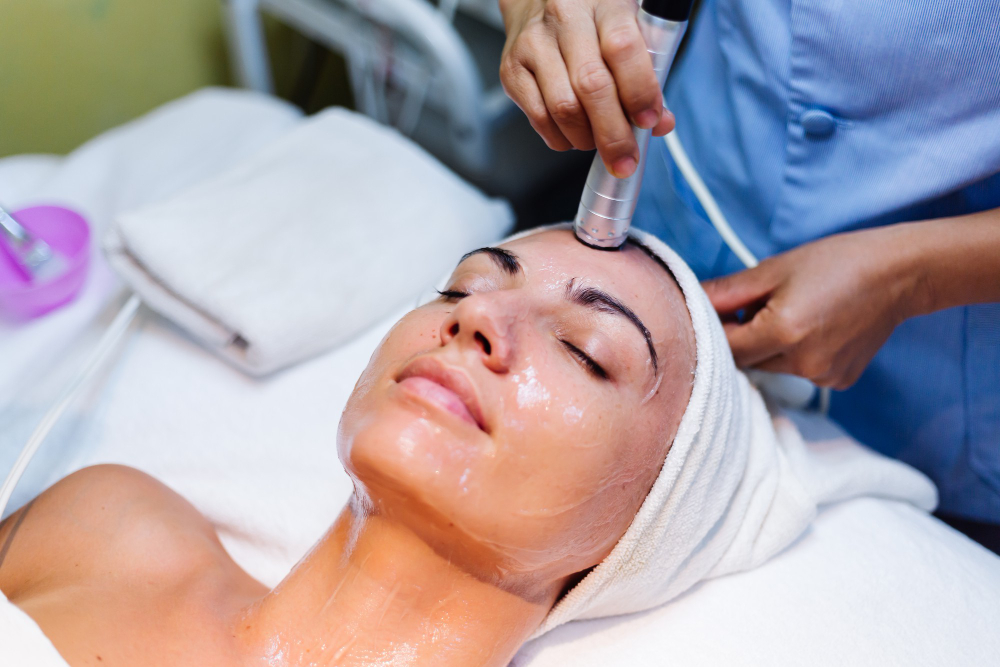
The chemical peel procedure is simple and safe when done by a trained expert. Here is a step-by-step overview:
The whole process usually takes less than an hour. However, deeper peels may take longer and need more care.
Risks and Side Effects
Like any treatment, chemical peeling has some risks. Most side effects are mild and go away in a few days. Common risks include:
Deeper peels have higher risks, such as scarring or lasting color changes. Therefore, always choose a trained professional for your chemical peel. The CDC and WHO recommend following safety guidelines to lower risks.
Aftercare and Recovery Tips
Proper aftercare is key for good results and fewer problems. Here are some tips for chemical peel aftercare:
Most people recover in a few days to two weeks, depending on the peel’s depth. However, deeper peels may need longer healing time.
Prevention of Complications
To prevent problems after a chemical peel, follow these steps:
Because everyone’s skin is different, your doctor may give you special advice. Always ask questions if you are unsure about any part of the process.
Frequently Asked Questions
For more information, consult a dermatologist Dr. Shaikh Mudassir for personalized advice on chemical peeling. Your doctor can help you decide if this treatment is right for you.