
Introduction to Derma Fillers
Derma fillers are popular cosmetic treatments. They help reduce wrinkles and add volume to the skin. Many people choose derma fillers for a fresher, younger look. In fact, these treatments are quick and often require little recovery time. Because of this, derma fillers are a top choice for safe cosmetic procedures. But before you decide, it is important to know the benefits, risks, and what to expect with derma fillers.
Common Types of Derma Fillers
There are several types of derma fillers. Each type works in a slightly different way. However, all aim to improve the skin’s appearance. Here are the most common types:
Benefits of Derma Fillers
Derma fillers offer many benefits. For example, they can:
Additionally, most people see results right after the procedure. Because the treatment is non-surgical, recovery is usually fast.
Risks and Possible Side Effects
Even though derma fillers are safe for most people, there are some risks. Common side effects include:
Rarely, more serious problems can happen. For instance, infection, lumps, or allergic reactions may occur. Therefore, always choose a qualified specialist for your treatment. According to the CDC, using approved products and trained providers lowers these risks.
What to Expect During and After the Procedure
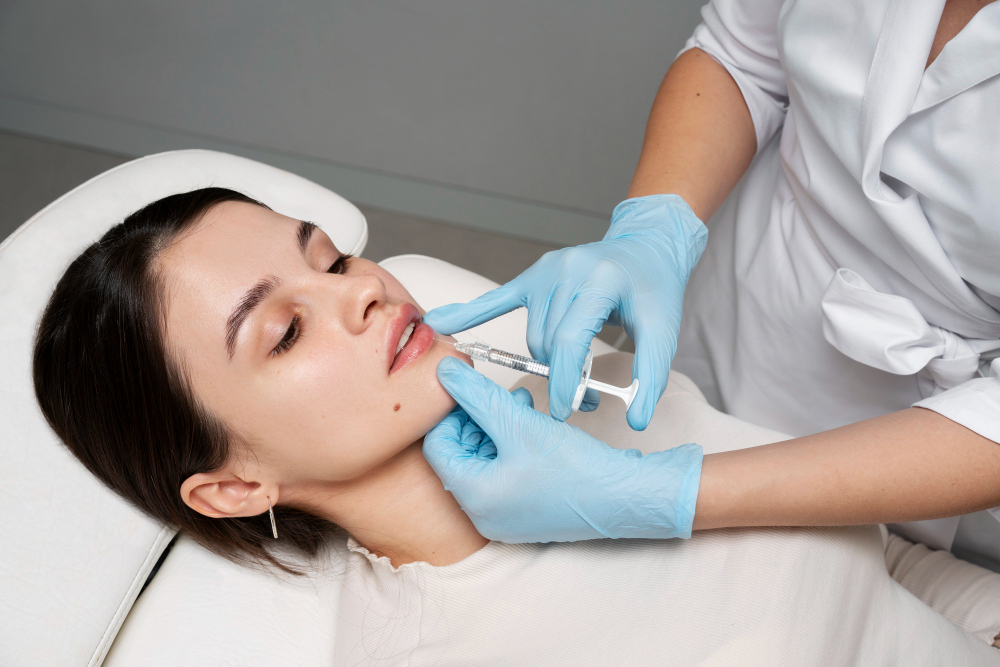
Before the procedure, your doctor will discuss your goals. They may mark the areas to treat. During the procedure, a fine needle injects the filler under your skin. Most treatments take less than an hour. You may feel a small pinch, but discomfort is usually mild. After the procedure, you might notice some swelling or redness. However, these effects often go away within a few days. You can usually return to normal activities right away.
Who Is a Good Candidate for Derma Fillers?
Not everyone is a good fit for derma fillers. Good candidates usually:
Still, it is important to talk with a specialist. They can help decide if derma fillers are right for you.
Aftercare and Recovery Tips
Proper care after your treatment helps you heal faster. Here are some simple tips:
Because aftercare is important, always ask your provider for specific advice.
Prevention of Complications
To prevent problems, choose a licensed and experienced provider. Make sure they use approved products. Also, tell your doctor about any allergies or health issues. If you notice pain, swelling, or changes in skin color after treatment, contact your doctor right away. Early care can prevent serious problems.
Frequently Asked Questions About Derma Fillers
Conclusion
Dermal fillers can help enhance facial features and restore volume for a refreshed appearance. However, understanding the benefits, limitations, and risks is important before choosing any cosmetic procedure. Always seek expert guidance for safe and suitable treatment options.
Consult Shaikh Mudassir for personalized advice and to understand if dermal fillers are right for you.