What Are Acne Scars?
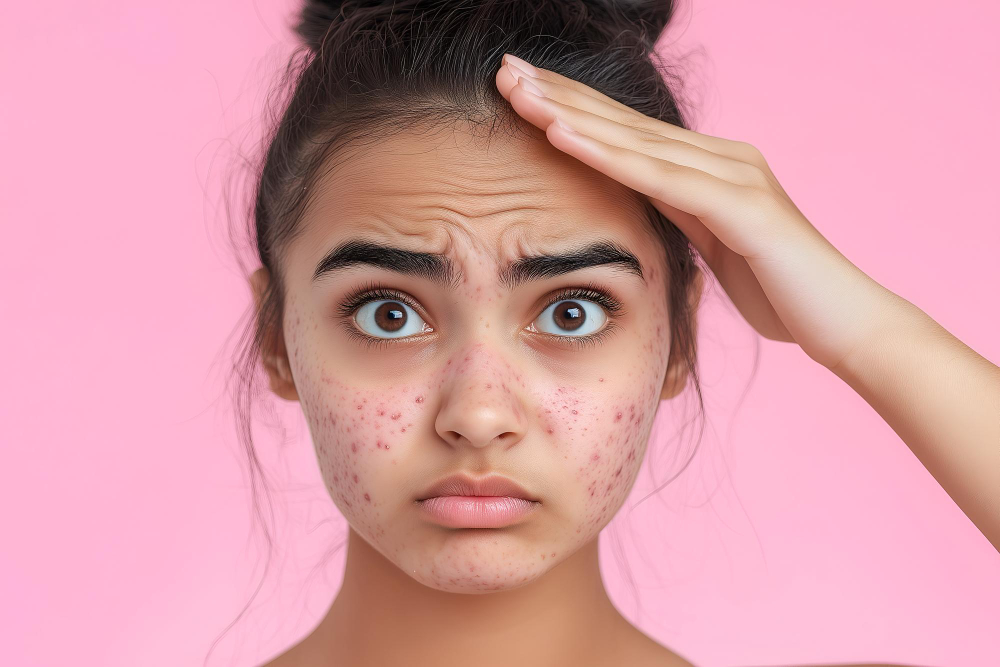
Acne scars are marks left on the skin after pimples heal. These scars can look like pits, raised bumps, or dark spots. For many people, acne scars can affect self-confidence. However, not everyone who gets acne will develop scars. Often, acne scars form when the skin tries to heal itself after deep or inflamed pimples. According to the American Academy of Dermatology, acne scars are a common skin concern for teens and adults alike.
Why Do Acne Scars Form?
Acne scars form when the skin’s healing process is disrupted. Usually, the skin repairs itself after a pimple. But sometimes, the healing is not perfect. As a result, scars can develop. There are several reasons why this happens:
Because of these factors, scars may form after acne clears. The World Health Organization notes that scarring is more likely after severe or untreated acne.
Types of Acne Scars
There are different types of acne scars. Each type looks and feels different. Knowing the types of acne scars can help you understand your skin better. Here are the main types:
Because each type needs different care, it is important to know which kind you have.
Risk Factors for Developing Acne Scars
Not everyone who has acne will get scars. However, some people are more at risk. Here are some common risk factors:
Because these factors increase the chances of scarring, it is important to treat acne early and avoid picking at the skin. The Centers for Disease Control and Prevention (CDC) also recommends gentle skin care to reduce the risk of scars.
How to Prevent Acne Scars
While not all acne scars can be prevented, you can lower your risk. Here are some helpful tips for preventing acne scars:
Because early action can make a big difference, do not wait to seek help if you notice acne getting worse.
In summary, acne scars can affect anyone who has had acne, but you can take steps to lower your risk. If you are worried about acne scars or want to know the best treatment, consult Dr. Shaikh Mudassir for personalized advice.