

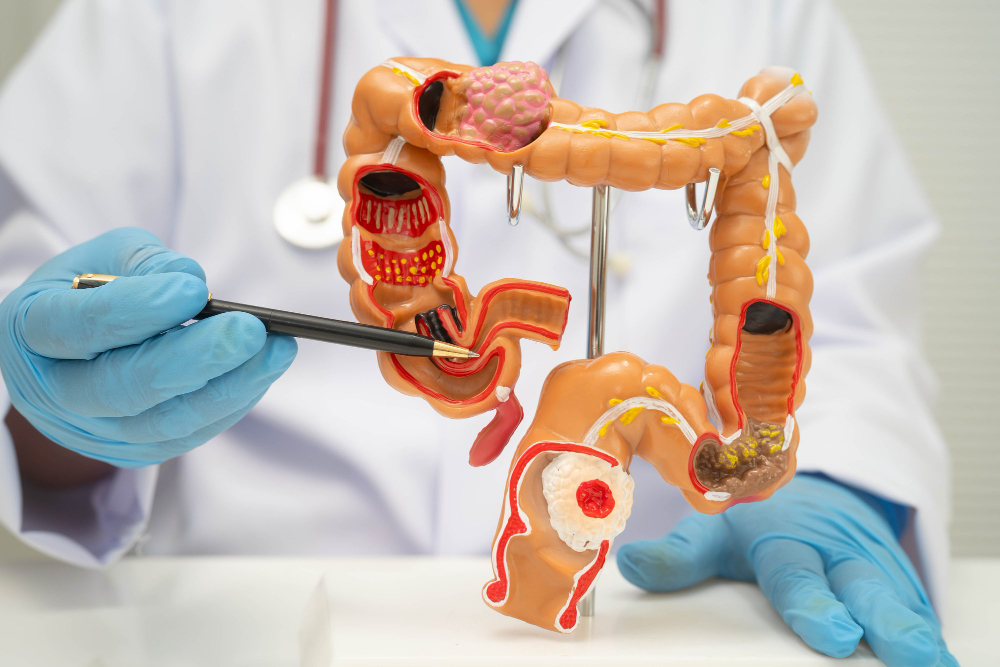
What Are Injection-Based Approaches in Colorectal Care?
Injection-based approaches in colorectal care use special medicines or solutions delivered by a needle. These treatments help manage certain conditions of the colon and rectum. Often, doctors choose these methods because they are less invasive than surgery. For example, colorectal injection treatments can shrink swollen veins or treat small growths. Many people prefer these options because recovery is usually faster. According to the World Health Organization (WHO), minimally invasive colorectal procedures can lower risks and improve comfort for patients.
Common Conditions Treated with Injections
Doctors use injection-based therapy for colorectal conditions in several cases. For instance, these treatments help with:
Additionally, injection-based approaches may be used when other treatments do not work. In many cities, these procedures are now common in colorectal clinics.
How Injection Procedures Work
First, a doctor explains the procedure and answers questions. Next, the area is cleaned and sometimes numbed. Then, the doctor uses a thin needle to inject a special solution. For example, in hemorrhoid treatment, the solution shrinks the swollen vein. In some cases, the injection stops bleeding or removes small growths. Most procedures take less than 30 minutes. Afterward, patients can often go home the same day. Because these are minimally invasive colorectal procedures, there are fewer cuts or stitches needed.
Benefits and Risks of Injection-Based Treatments
There are many benefits to injection-based therapy for colorectal conditions. For example, these treatments often cause less pain than surgery. Recovery time is usually shorter. Also, there is a lower risk of infection. However, some risks remain. Possible side effects include:
Still, most people have few problems. The Centers for Disease Control and Prevention (CDC) notes that these risks are usually low. Always talk to your doctor about your health history before any procedure.
Preparation and Aftercare for Patients
Before the procedure, your doctor will give instructions. For example, you may need to avoid certain medicines. Sometimes, you may be asked not to eat or drink for a few hours. After the injection, you should rest for a short time. Most people return to normal activities within a day. However, you should watch for signs of infection, such as redness or fever. If you notice any problems, contact your healthcare provider right away. In many cases, your doctor will schedule a follow-up visit to check your progress.
Prevention and Lifestyle Guidance Related to Colorectal Health
Even though injection-based approaches in colorectal care are helpful, prevention is important. You can lower your risk of colorectal problems by making healthy choices. For example, you can:
Additionally, quitting smoking and limiting alcohol can help protect your colon and rectum. The CDC and other health groups recommend these steps for everyone. By following these tips, you can support your colorectal health and may reduce the need for future treatments. Consult Dr. Shaikh Mudassir now for treatment.