
Introduction
Many people confuse anal fissure and piles. However, these are two different conditions. Anal Fissure vs Piles is a common topic, especially for those with rectal pain or bleeding. Knowing the difference between anal fissure and piles helps you get the right treatment. Both can cause discomfort, but their causes, symptoms, and treatments are not the same. Understanding these differences can help you manage your health better.
What Is an Anal Fissure?
Definition
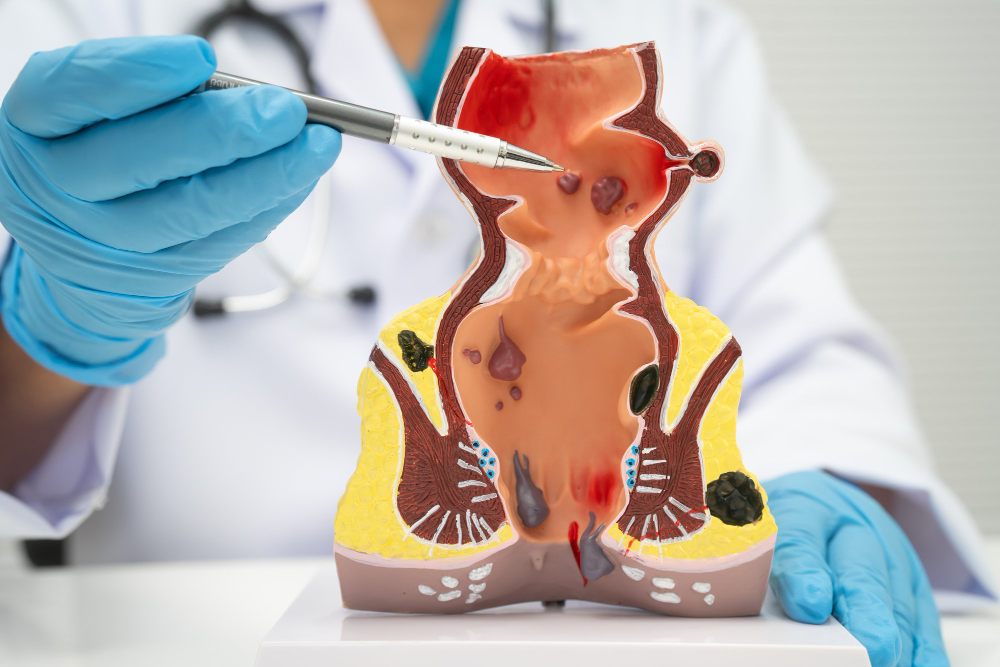
An anal fissure is a small tear or cut in the lining of the anus. This area is very sensitive. Even a small tear can cause sharp pain during bowel movements.
Common Symptoms
Causes and Risk Factors
Often, hard or large stools cause an anal fissure. Sometimes, frequent diarrhea or constipation leads to tears. In addition, childbirth can cause fissures in women. People with inflammatory bowel diseases are also at higher risk. Children and older adults may get fissures more easily.
What Are Piles (Hemorrhoids)?
Definition
Piles, also called hemorrhoids, are swollen blood vessels in the anus or lower rectum. These can be inside or outside the anus. Piles are very common and can affect people of all ages.
Common Symptoms
Causes and Risk Factors
Piles often develop from straining during bowel movements. Sitting for long periods on the toilet can also increase risk. In addition, pregnancy, obesity, and a low-fiber diet play a role. Family history and aging can make piles more likely.
Key Differences Between Anal Fissure and Piles
Symptom Comparison
Differences in Causes
Anal fissures result from trauma to the anal lining, such as hard stools or diarrhea. In contrast, piles develop from increased pressure on blood vessels, often due to straining or sitting too long.
Differences in Diagnosis
Doctors look for a visible tear to diagnose an anal fissure. For piles, they check for swollen veins or lumps. Sometimes, a gentle exam or special scope helps confirm the diagnosis.
Diagnosis: How Doctors Tell Them Apart
Typical Diagnostic Steps
First, doctors ask about your symptoms and medical history. Next, they perform a physical exam. For anal fissures, they look for a small tear. For piles, they check for swollen veins or lumps. Sometimes, doctors use a small tube called an anoscope to see inside the anus. Rarely, further tests may be needed if symptoms are unclear.
When to Seek Medical Help
If you have bleeding, severe pain, or a lump that does not go away, see a doctor. Also, seek help if you notice changes in your bowel habits or if home care does not help. Early diagnosis can prevent complications.
Treatment Options
Anal Fissure Treatments
Piles Treatments
Home Care and Lifestyle Tips
Prevention Tips
Diet and Hydration
Eating enough fiber helps keep stools soft. For example, include beans, oats, and leafy greens in your meals. Drinking water throughout the day also prevents constipation.
Healthy Bowel Habits
Try not to delay going to the bathroom when you feel the urge. Also, avoid sitting on the toilet for long periods. These habits lower your risk of both anal fissure and piles.
Other Preventive Measures
Following these tips can help prevent both conditions and improve your overall comfort.
Conclusion
If you have rectal pain or bleeding, do not wait to get help. Book a consultation with Dr. Shaikh Mudassir to discuss your symptoms and find the right treatment for you.