
What Are Anal Fissures?
Anal fissures are small tears in the lining of the anus. These tears can cause pain and bleeding during bowel movements. Often, they make sitting or walking uncomfortable. Anal fissures are common and can affect people of any age. Although they may heal on their own, some fissures become chronic and need treatment. Anal fissure injection therapy is a newer, non-surgical treatment that offers hope for many.
Common Symptoms and Causes
Anal fissures can be easy to spot because of their symptoms. For example, you may notice:
Most anal fissures happen because of hard or large stools. Sometimes, frequent diarrhea or constipation can also cause them. In addition, straining during bowel movements increases the risk. Rarely, other health problems like Crohn’s disease may play a role.
Traditional Treatments, Especially Surgery
Doctors often start with simple treatments. These include:
However, if these steps do not help, surgery may be suggested. The most common surgery is called lateral internal sphincterotomy. This surgery cuts a small part of the anal muscle to reduce pain and help healing. But surgery has risks, such as infection, bleeding, or trouble controlling bowel movements. Because of these risks, many people look for non-surgical treatment for anal fissures.
What Is Injection Therapy for Anal Fissures?
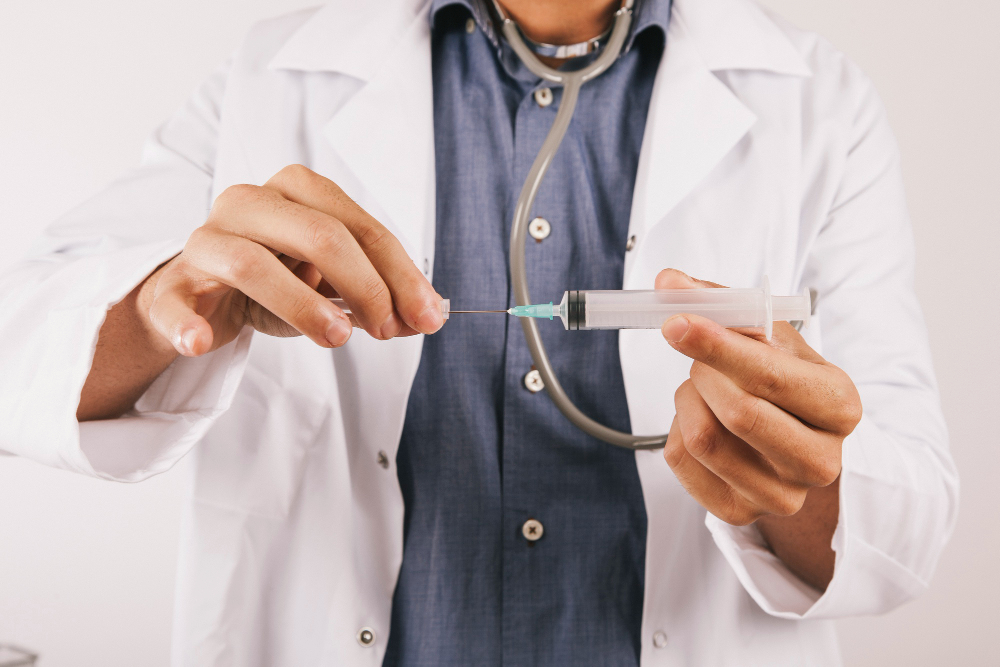
Injection therapy is a non-surgical treatment for anal fissures. In this procedure, a doctor injects a medicine, often botulinum toxin (Botox), into the anal muscle. The injection relaxes the muscle, which helps the fissure heal. Usually, the treatment takes only a few minutes and does not require a hospital stay. Most people can go home the same day. Anal fissure injection therapy is safe and effective for many patients.
Benefits of Injection Therapy vs. Surgery
Many people wonder why injection therapy is a smarter choice. Here are some key benefits:
In contrast, surgery may need a longer recovery and carries more risks. For these reasons, anal fissure injection therapy is becoming more popular as a first-line treatment.
Who Is a Good Candidate for Injection Therapy?
Not everyone needs injection therapy. However, you may be a good candidate if:
Even so, your doctor will decide if this treatment is right for you. Sometimes, other health problems may affect your options.
Prevention Tips and Lifestyle Guidance
While treatment helps, preventing new fissures is important. Here are some simple tips:
Additionally, keeping the anal area clean and dry can help prevent irritation. If you have frequent constipation or diarrhea, talk to your doctor for advice.
When to Consult a Doctor
If you have pain, bleeding, or other symptoms that do not go away, see a doctor. Early treatment can prevent problems from getting worse. Moreover, a doctor can help you choose the best treatment, including anal fissure injection therapy, if needed. Do not ignore ongoing symptoms, as they may signal other health issues.
In summary, anal fissure injection therapy offers a safe, effective, and non-surgical treatment for many people. If you have questions or need help, consult a specialist Dr. Shaikh Mudassir for personalized guidance on anal fissure treatment.