What Are Hydrocarbon Peels?
Hydrocarbon peels are a type of skin treatment. They use special chemicals called hydrocarbons to remove the top layer of skin. This process helps reveal fresher, smoother skin underneath. Many people choose hydrocarbon peels to improve their skin’s appearance. For example, they may want to reduce fine lines, acne scars, or uneven skin tone. Although the name may sound technical, the treatment is simple and safe when done by a trained professional.
How Do Hydrocarbon Peels Work?
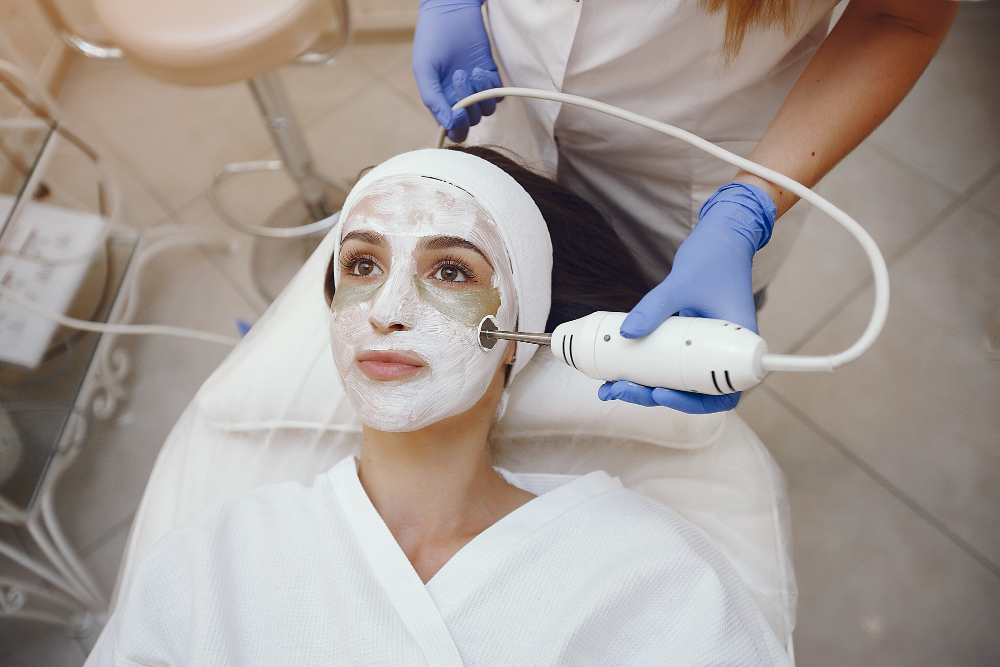
First, a dermatologist cleans your skin. Then, they apply a hydrocarbon solution to your face. The solution works by gently removing the outer layer of dead skin cells. As a result, new skin grows in its place. This new skin often looks brighter and feels softer. Because the peel is controlled, it does not harm deeper layers of skin. However, you may feel a mild tingling or warmth during the process.
Benefits of Hydrocarbon Peels
Hydrocarbon peels offer several benefits for your skin. In fact, many people notice improvements after just one treatment. Here are some common benefits:
Additionally, hydrocarbon peels can help your skin care products work better. This is because they remove dead skin cells that can block absorption.
Potential Risks and Side Effects
Although hydrocarbon peels are usually safe, some people may experience side effects. It is important to know what to expect. Common side effects include:
Usually, these effects go away within a few days. However, if you have sensitive skin, you may notice stronger reactions. Always talk to your dermatologist about any concerns before starting treatment.
Who Should Consider Hydrocarbon Peels?
Hydrocarbon peels are suitable for many people. For example, you may benefit if you have:
However, not everyone is a good candidate. If you have very sensitive skin, open wounds, or certain skin conditions, you should avoid this treatment. Pregnant or breastfeeding women should also consult a doctor first. Therefore, always check with a certified dermatologist before deciding.
What to Expect During and After Treatment
Before the peel, your doctor will clean your skin. Next, they will apply the hydrocarbon solution. You may feel a slight tingling or warmth. The treatment usually takes 15 to 30 minutes. Afterward, your skin may look red or feel tight. This is normal and should improve within a few days. To help your skin heal, follow your doctor’s aftercare instructions. For example, you may need to:
Most people return to their normal activities right away. However, your skin may peel or flake for a short time.
Safety Tips and Precautions
To stay safe, always choose a certified dermatologist for your hydrocarbon peel. Here are some important safety tips:
Moreover, avoid sun exposure and use sunscreen daily. This helps protect your new skin and prevents damage.
Conclusion
In summary, hydrocarbon peels can improve your skin’s look and feel. They are safe when done by a trained professional. However, it is important to know the risks and follow safety tips. Consult a certified dermatologist Shaikh Mudassir to learn if hydrocarbon peels are right for you.